
Favorite House Siding Installation Tools And Materials You Need
Get the essential products selected by experts to ensure a smooth, efficient, and professional siding installation process.
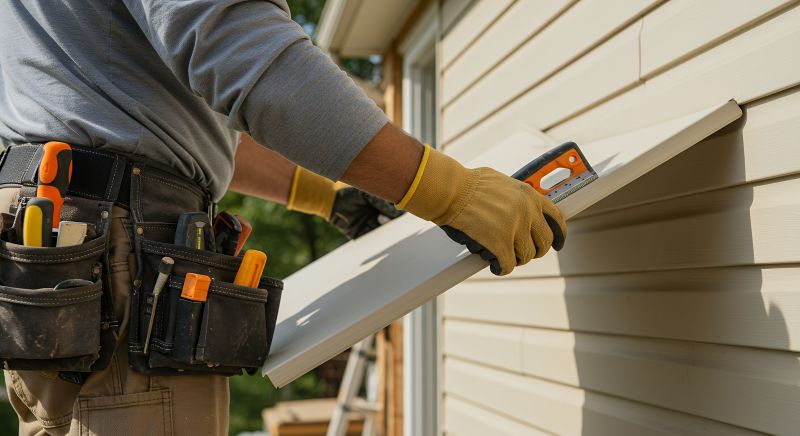 Choosing the right products for house siding installations is essential for ensuring durability, aesthetic appeal, and long-term performance. The market offers a wide variety of materials and accessories, each suited to different architectural styles, budgets, and functional needs. From traditional options like vinyl and wood to modern composite and fiber cement options, homeowners and contractors can select products that align with their specific project requirements.
Top Overall Option
Composite Siding Panels
Composite siding panels offer a versatile and durable solution for house exteriors. They are designed to mimic the appearance of natural materials like wood or stone while providing enhanced resistance to weather, pests, and rot. Easy to install and maintain, composite panels can be a practical choice for a variety of architectural styles and climates.
Types of Products For House Siding Installations
Vinyl Siding
A popular choice due to its affordability and low maintenance, vinyl siding comes in numerous styles and colors, making it a versatile option for many homes.
Wood Siding
Offering a natural and classic appearance, wood siding requires regular upkeep but provides excellent aesthetic appeal and customization options.
Fiber Cement Siding
Known for its durability and resistance to pests and fire, fiber cement siding can mimic the look of wood or stucco and is suitable for various climates.
Aluminum Siding
Lightweight and resistant to rust, aluminum siding is often chosen for its ease of installation and longevity.
Engineered Wood Siding
A manufactured product that offers the appearance of real wood with added resistance to pests and moisture.
Stucco Siding
A traditional exterior finish providing a textured look, stucco is durable and can be customized with various colors and textures.
Metal Siding
Made from steel or other metals, this siding provides a modern aesthetic and excellent durability against harsh weather.
PVC Siding
A type of plastic siding that is lightweight, easy to install, and requires minimal maintenance.
Insulated Siding Panels
These panels incorporate foam insulation to improve energy efficiency while providing a uniform exterior surface.
Brick Veneer Siding
A lightweight alternative to traditional brick, offering a classic look with easier installation.
Stone Veneer Siding
Provides the appearance of natural stone, adding texture and visual interest to exterior walls.
Rubber Siding
A flexible and impact-resistant option, suitable for certain architectural styles and climates.
Popular Choices
Widely used for its affordability and variety of styles, vinyl siding remains a common choice for many homeowners.
Known for its durability and versatility, fiber cement siding is often selected for its resistance to pests and weather.
Offering a natural look, wood siding is appreciated for its aesthetic appeal despite requiring regular maintenance.
A lightweight and rust-resistant option, aluminum siding is favored for its ease of installation.
A traditional style often made from wood or engineered materials, providing a timeless exterior appearance.
Popular for its textured finish and durability, stucco is used in various architectural styles.
Offering a sleek, modern look with high durability, metal siding is gaining popularity in contemporary designs.
A low-maintenance plastic option suitable for various climates and styles.
Combining insulation with vinyl panels, this option enhances energy efficiency and curb appeal.
Provides a classic brick appearance with easier installation and lower weight.
Proper installation is crucial to maximize the lifespan of siding. This involves selecting compatible materials, understanding weather resistance, and ensuring correct fastening techniques. Accessories such as flashing, sealants, and insulation materials also play vital roles in creating a weather-tight and energy-efficient exterior. Investing in quality products can help prevent issues like water infiltration, warping, and pest intrusion.
It is important to consider the compatibility of siding materials with existing structures and the local climate conditions. For example, some materials perform better in humid environments, while others are more suitable for colder regions. Additionally, ease of installation and availability of replacement parts are factors that can influence long-term satisfaction with the siding system. Proper planning and product selection can lead to a more streamlined installation process and a finished look that enhances curb appeal.
Ultimately, selecting the appropriate products for house siding involves balancing aesthetics, durability, ease of installation, and budget considerations. Consulting with professionals or doing thorough research can help ensure that the chosen products meet the specific needs of the building and its environment. With the right materials and accessories, homeowners can achieve a resilient and attractive exterior that stands the test of time.
Key Buying Considerations
- Material durability and resistance to weather, pests, and fire
- Compatibility with existing structures and architectural style
- Ease of installation and availability of professional services
- Maintenance requirements and long-term upkeep
- Aesthetic preferences including color, texture, and style
- Energy efficiency features such as insulation options
- Cost of materials and installation, considering budget constraints
- Warranty and manufacturer support for the product
- Local climate suitability and performance expectations
- Compatibility with existing roofing and trim materials
- Environmental factors like moisture management and ventilation
- Availability of matching accessories like flashing and sealants
- Potential impact on home resale value
- Ease of future replacement or repairs